


This project focused on redesigning an underutilized online library for hospitality students. Despite offering extensive academic resources, the platform struggled with low engagement due to poor mobile usability, lack of personalization, and outdated content.
Library website redesign boosted engagement: sessions average 10.6 minutes, and usage increased 56%, indicating stronger adoption, satisfaction, and meaningful user interaction.
We began by identifying why the platform failed to engage users.
Quantitative Research : Quantitative user survey across students, tutors, and staff.
Qualitative Interviews : 6 in-depth interviews with hospitality students to explore study habits.
Key Findings
While initial quantitative data confirmed generic pain points (poor mobile compatibility, outdated design, difficulty finding relevant content), the qualitative interviews revealed the critical, actionable behaviors driving the low usage.
Students were not just passively reading; they were mobile-first researchers focused on gathering project materials.
1. Students often read on mobile devices during commute and idle time.
5 out of 6 interviewees reported consistently conducting research and reading on their mobile devices during commutes and idle time, only switching to a desktop/laptop for the final assignment work.
Insight : The library must be optimized for mobile-first research and content gathering, not just basic responsive viewing.
2. Need for Collaborative Gathering: Group sharing functionality emerged as a key unmet need. Students primarily used the library to gather information for collaborative projects, which required quick saving, sharing, and external resource integration.
Insight : The platform needed to shift from a "Simple Library" to an "Integrated Academic Resource Hub." that supports the full, dual purpose of modern student work.
A simple online library could no longer meet users’ needs. The new design vision:
We focused on three pillars:
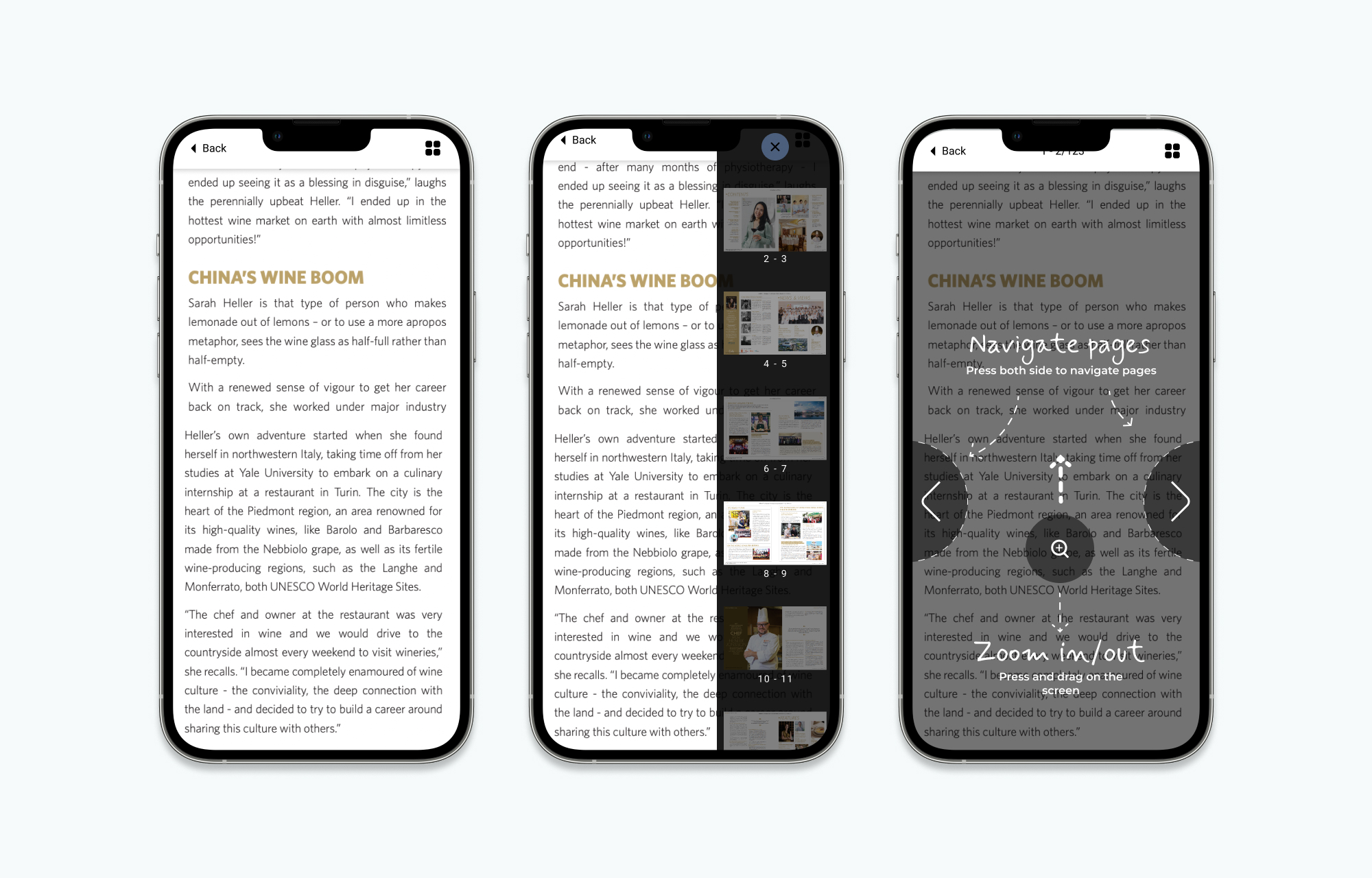
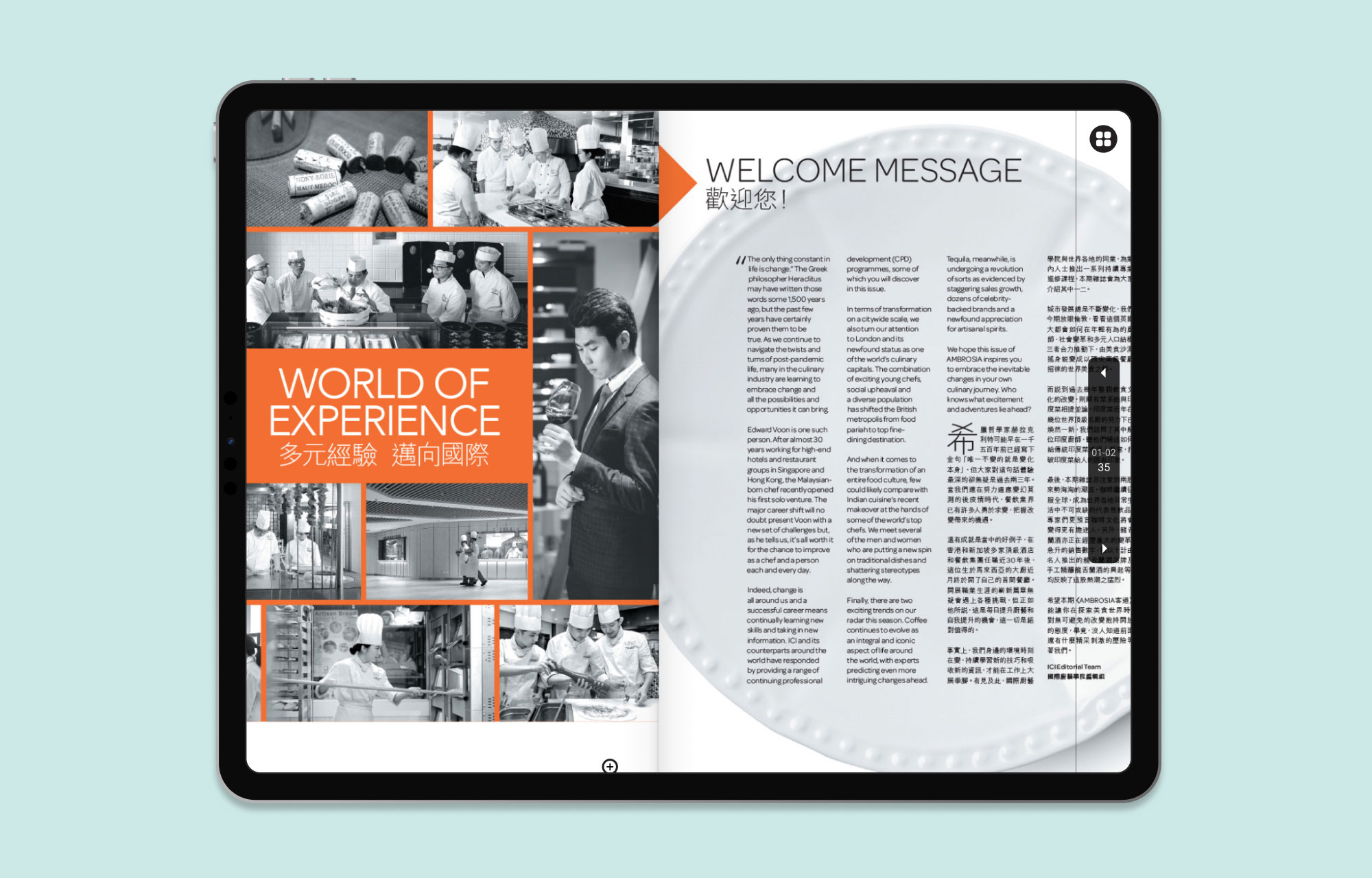
1. Responsive layout and mobile-optimized reading tools for anytime access


1. Seamless reading experience across mobile and desktop.
Responsive layout and mobile-optimized reading tools for anytime access

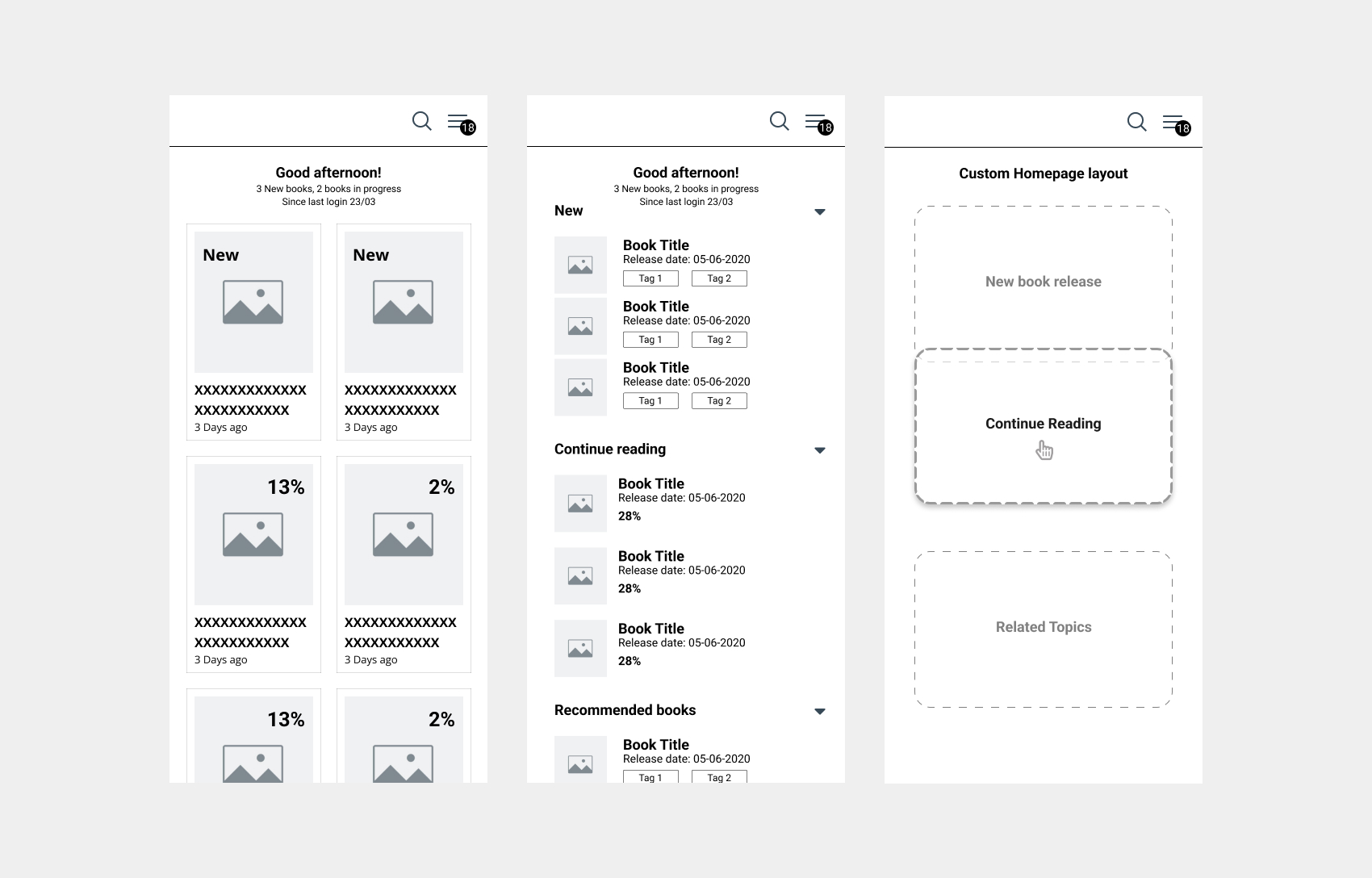
2. Personalized homepage
Tailored that prioritizes recently viewed subjects and essential, industry-relevant materials, minimizing the time needed to search for frequently used resources on a mobile device.

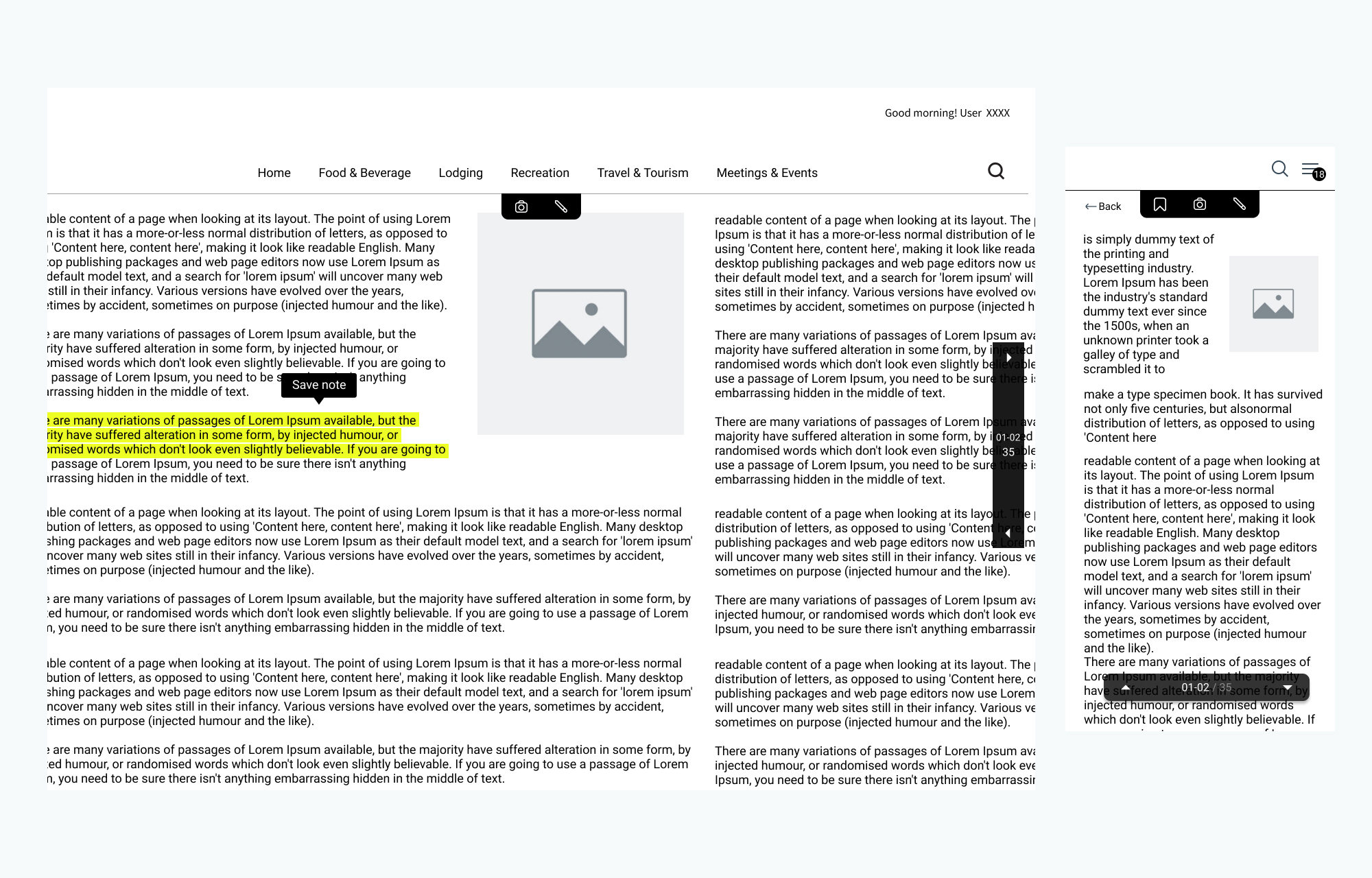
3. Streamline Content Gathering (The Note-taking Enhancement)
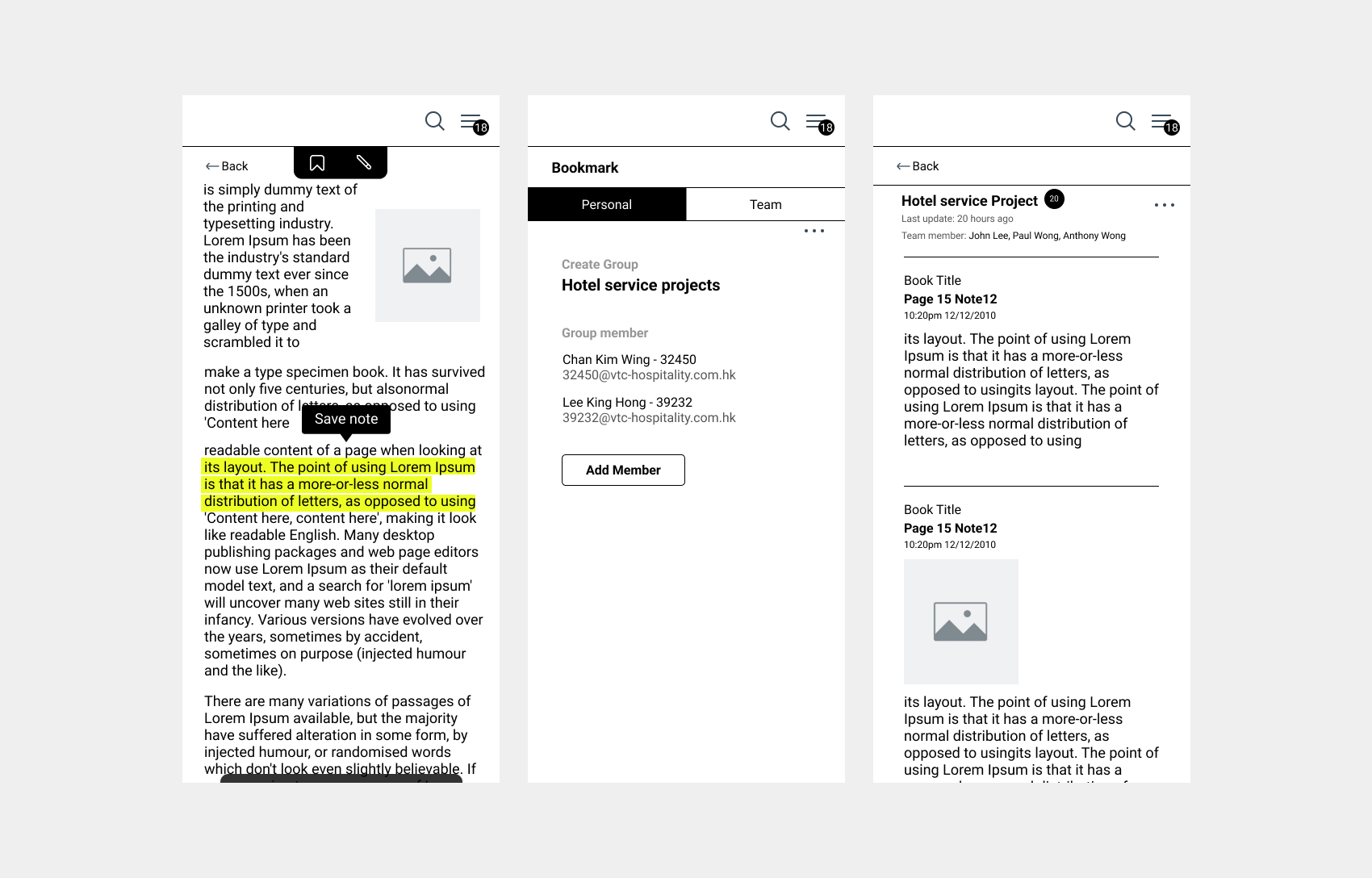
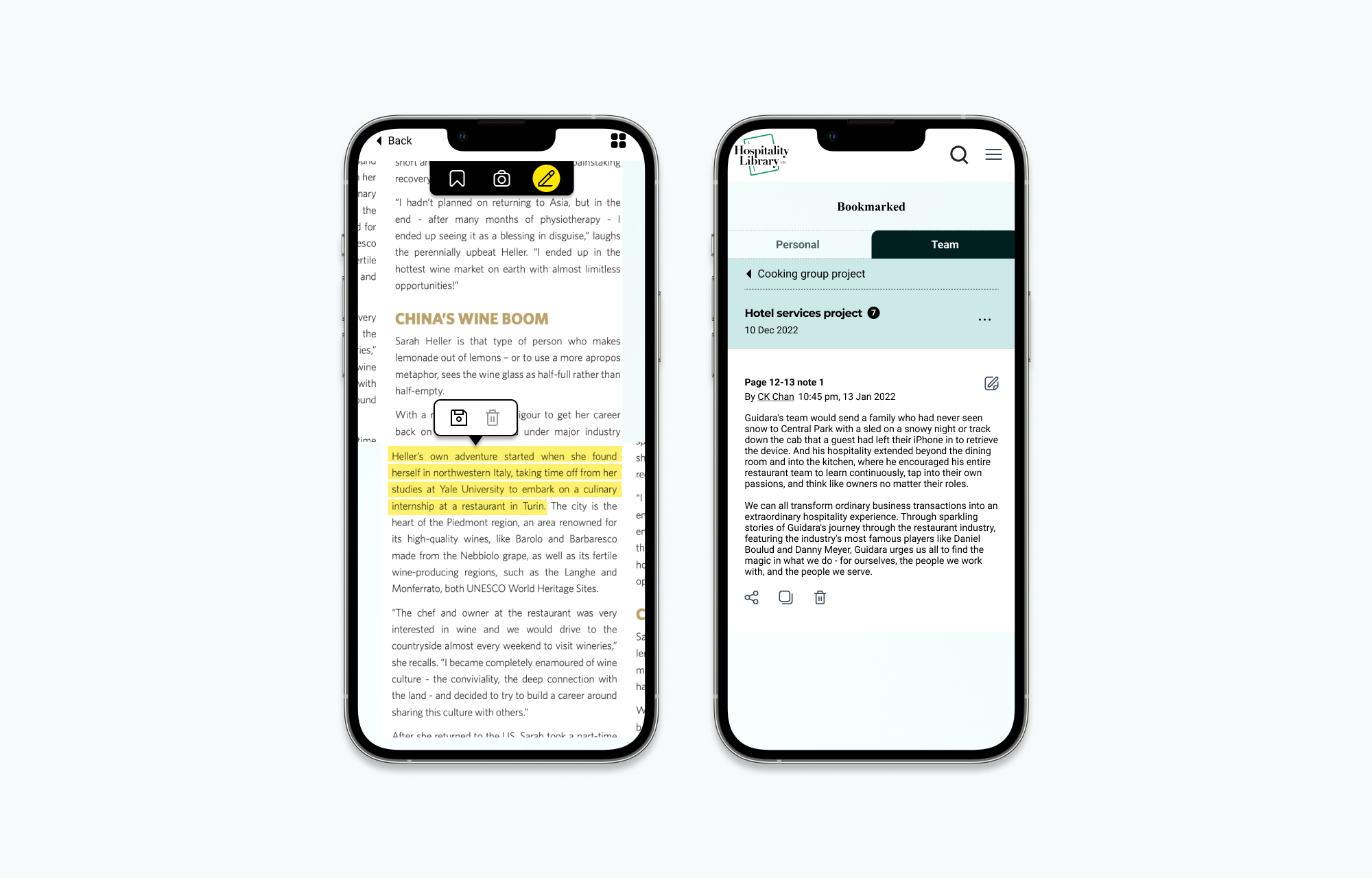
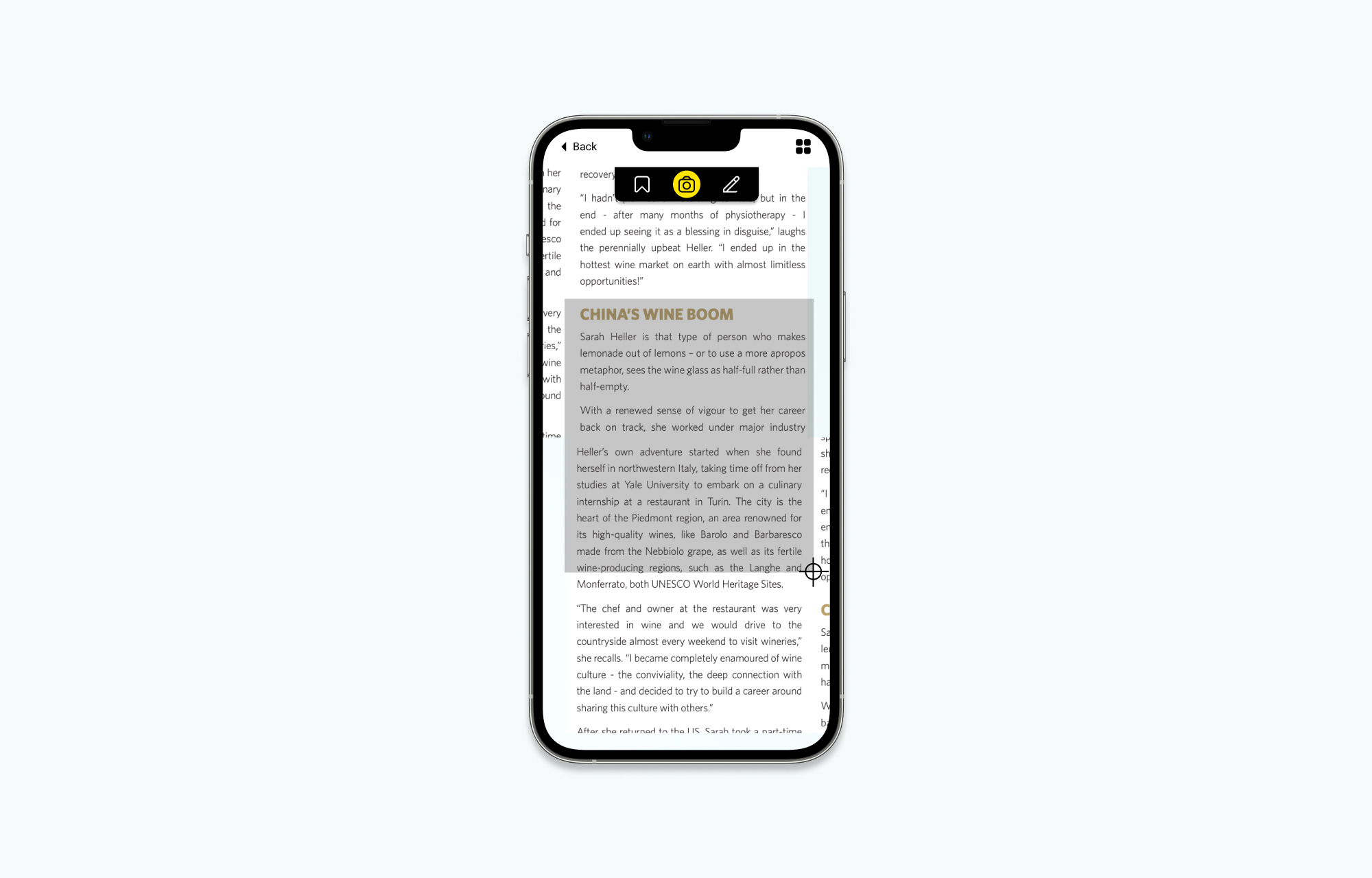
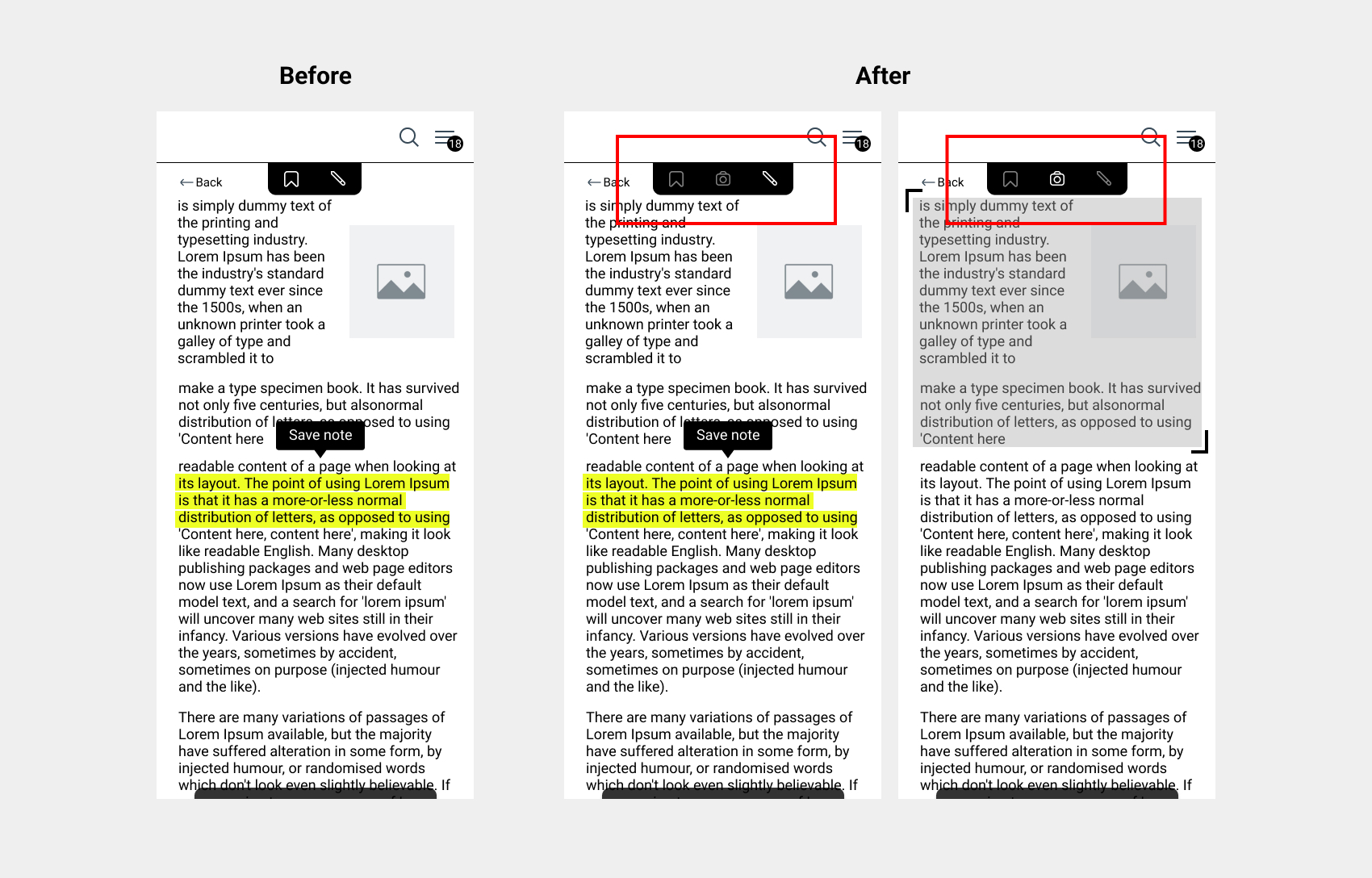
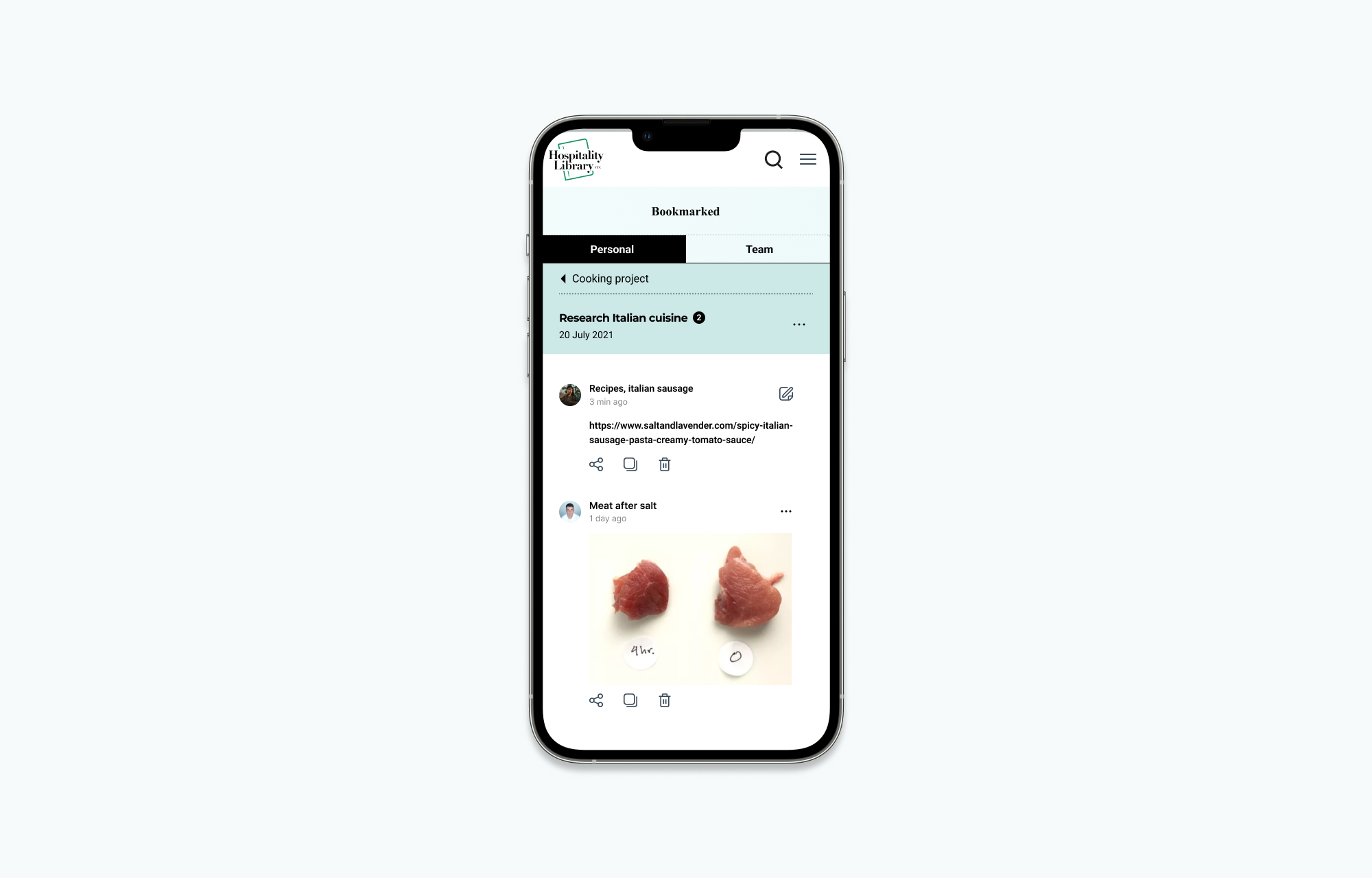
Integrated note-taking and bookmark tools with a new screen capture function to collect text and images efficiently.
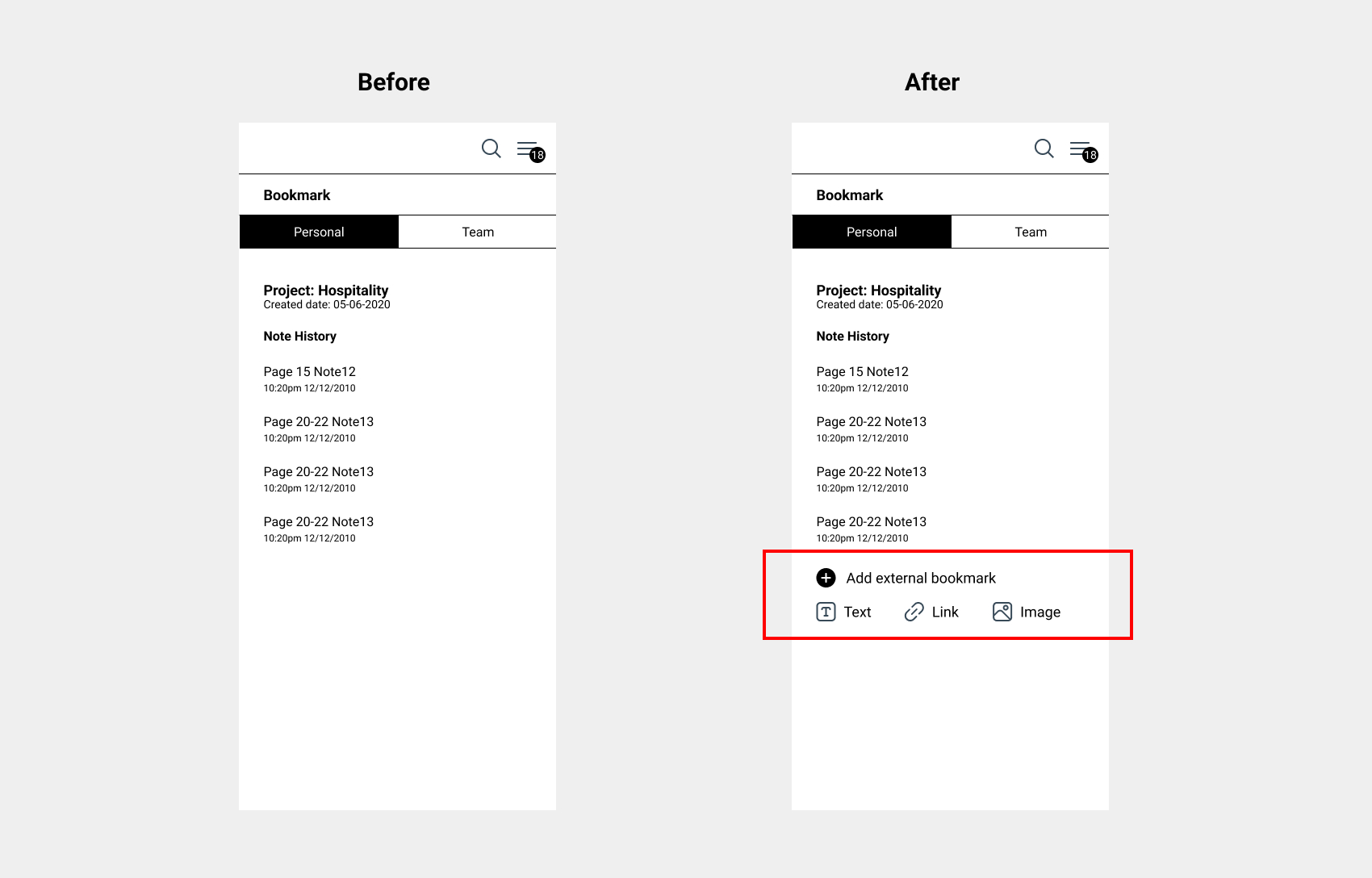
4. External Resource Saving:
Developed functionality that enables students to save external web links and articles directly into their library project folders, ensuring a single source of truth for all research materials.
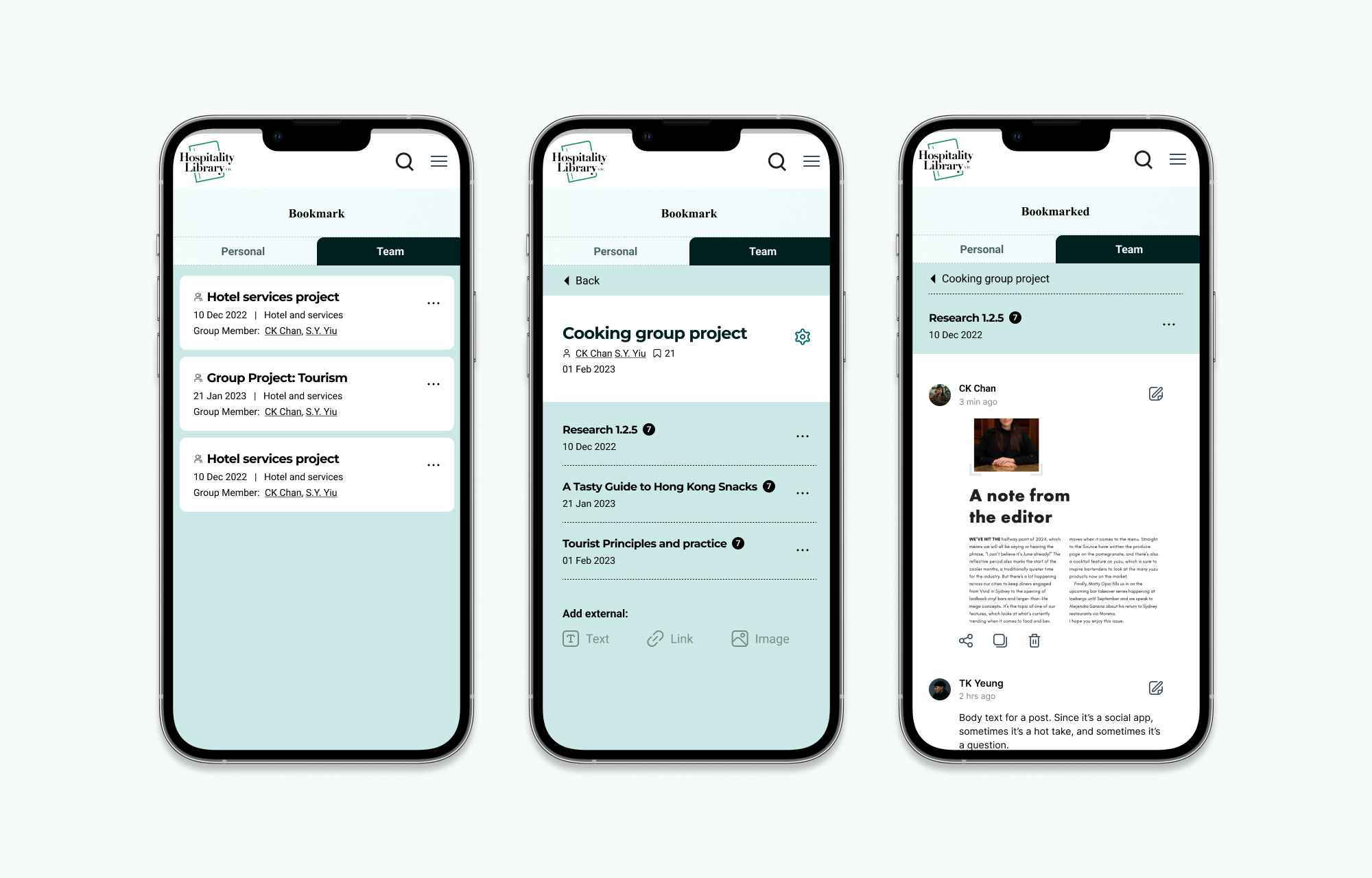
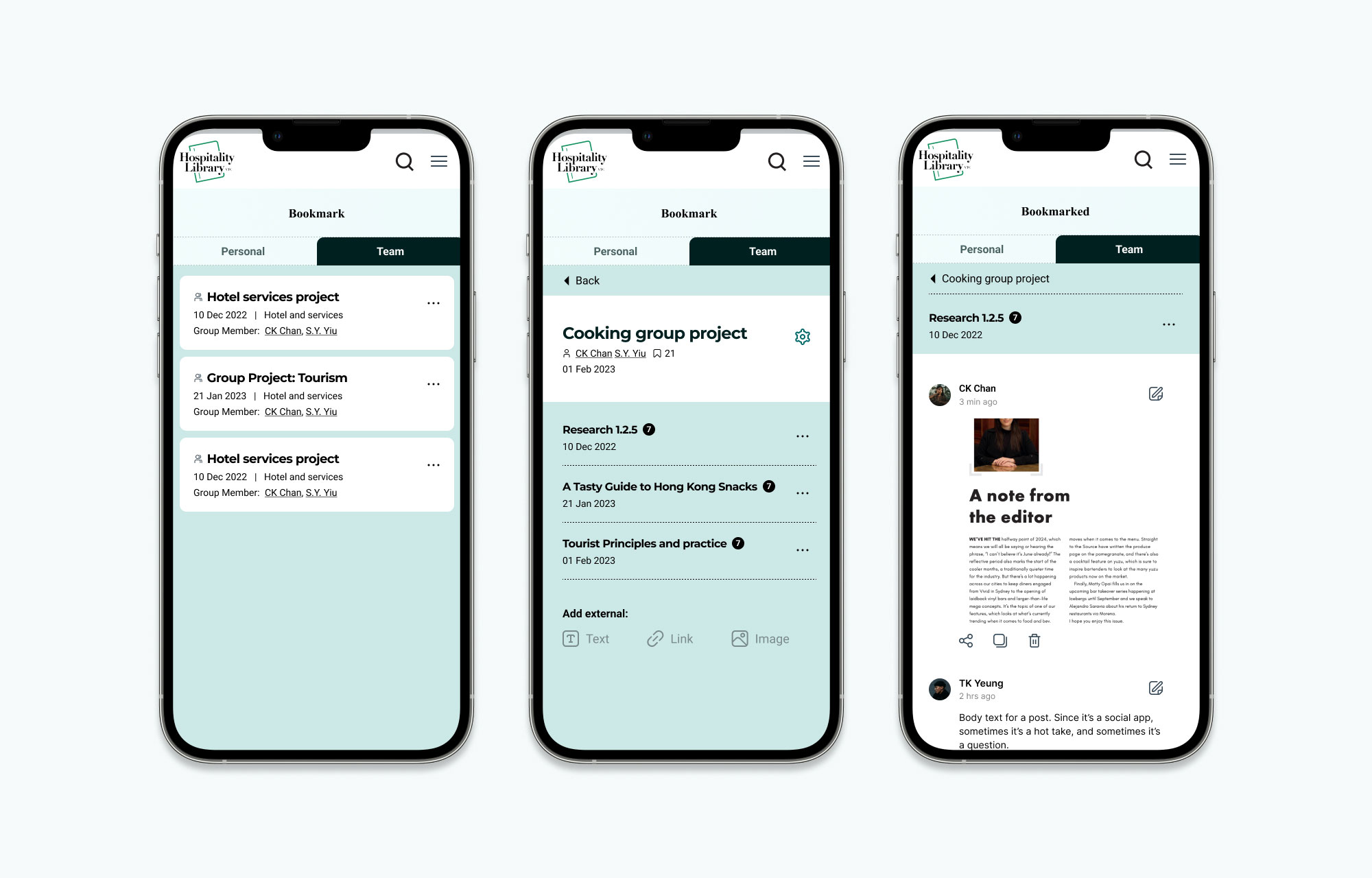
5. Added group sharing for joint projects:
allowing students to share curated content and annotations
The redesigned platform empowers students to move fluidly between devices, collect diverse materials, and collaborate easily. It transformed a static library into a dynamic academic companion that evolves with the learner’s needs.
To get rid of the old and outdated image, we designed a logo with a set of UI to bring a refreshment of the project. Given that




The project has successfully enhanced user engagement and utilization of the library website, demonstrating significant progress in achieving its objectives. Key metrics show strong performance, with an average session duration of 10.6 minutes, indicating meaningful user interactions with the platform. Additionally, the usage rate increased by 56%, reflecting a marked improvement in user adoption and satisfaction. However, users expressed a strong desire for group-oriented features like commenting on bookmarks and project collaboration, which would enhance teamwork and academic versatility. Due to project timeline constraints, these features were not feasible in this phase but remain a high-priority demand for future updates.